
Contact Us
Find out the disease and risks of pollution you may have been exposed! Fill out the form below for more environmental pollution information!


HOME POLLUTION - find out how you could be exposed to deadly polluted contaminants inside your home
WORKPLACE POLLUTION - it is illegal for companies and industries to expose you to polluted contaminants

SOIL POLLUTION - information about polluted soil and its effects on human health
AIR POLLUTION - air and gas contamination are the most dangerous form of pollution
WATER POLLUTION - health can be seriously affected by existing pollutants from the water we drink daily
RADIATION POLLUTION - information on the most common radiation contaminants
FOOD POLLUTION - also known as food intoxication, food pollution has severe consequences affecting your health
CHEMICAL POLLUTION - learn what happens when chemical waste is illegal or improperly disposed
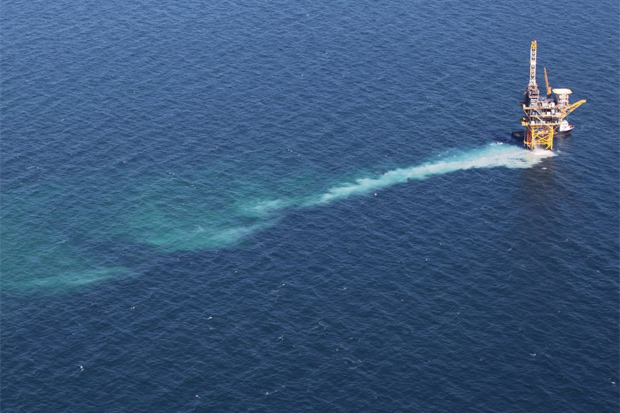
Updates on BP spill in Gulf of Mexico: Environmental Monitoring
If you suspect that you have been exposed to contamination from the oil spill, you may contact us.
So far, EPA monitoring of oil spill potential pollution in air, water and sediments did not reveal concentrations of concern. An exception relates to the sediments, in which pollutants levels indicate that there may be risks to aquatic life, while it could not be established if that contamination was already present or if it is a result of the BP oil spill.
Air Monitoring
More details about air monitoring include:
- Location of air monitoring - air sampling and monitoring was performed in Alabama, Florida, Louisiana, and Mississippi areas.
- Real-time air monitoring has been performed using self-contained mobile laboratories named “trace atmospheric gas analyzers” (TAGA)
- What was monitored – various air pollutants that may be associated with an oil spill:
- Particulate matter (PM) both smaller than 2.5 micrometers and smaller than 10 micrometers; ozone;
- Total volatile organic compounds (VOCs) – which may volatilize from the oil slick or may be associated with controlled burnings
- Hydrogen sulfide
- Air toxics
Coastal Water Monitoring
EPA monitoring of coastal water did found some of the chemicals associated with oil spills but the concentrations did not seem to pose increased risk to aquatic life or human health. Yet, EPA recommends the avoidance of areas affected by the oil spill. EPA also provides also updated information on condition of various beaches in the potentially affected area.
More details about water monitoring include:
- Location of water monitoring - water sampling and monitoring was performed in several coastal locations from Louisiana and Mississippi (within EPA Regions 6 and 4)
- What was monitored – 22 of the chemicals found in oil
Coastal Sediment Monitoring
As mentioned before, monitoring of sediment quality did reveal that there may be risks to aquatic life from pollutants in certain areas. It has to be mentioned that since sediments usually act as “sinks” for environmental contamination and the deposition and accumulation of pollutants in sediments generally takes some time, it is possible that the discovered contamination was already in the sediments, before the BP oil spill. A forensic investigation is needed in order to investigate the source of sediment contamination further.
More details about sediment monitoring include:
- Location of sediment monitoring - sediment sampling and monitoring was performed in several coastal locations from Louisiana and Mississippi (within EPA Regions 6 and 4).
- What was monitored – 29 of the chemicals found in oil
More about EPA monitoring of various media can be found at:
http://www.epa.gov/bpspill/
Risks Ahead
Yet, the spill did reach the shore and the birds images covered in crude oil are haunting!
Although so far the EPA monitoring did not reveal concentrations of concerns of pollutants associated with oil spill, images of pelicans and other birds covered in crude oil (like in mud) are a reality being shown in the news. One cannot help but wonder how representative the EPA monitoring data is. It is also possible that the contaminants migrating away from the oil slick disperse fast without leaving a notable trace. However, the oil slick by itself is a problem for the environment and any life that gets in contact with it.
SEARCH BY YOUR LOCATION
Sites with recognized pollution problems as well as sites with potential to generate pollution may be close to your home or workplace. Being aware of such locations will guide you in choosing your future home and evaluating your current exposure risk. Here is a list, organized by states, with the most common locations that could have affected you and your health. Please note that there could be sites that we have not yet find out about and you should contact us immediately for a better assistance.
Click here to find out if you are at risk based on your location?
- Air Pollution (2)
- Chemical Pollution (2)
- test pollution (1)
- Water Pollution (5)


